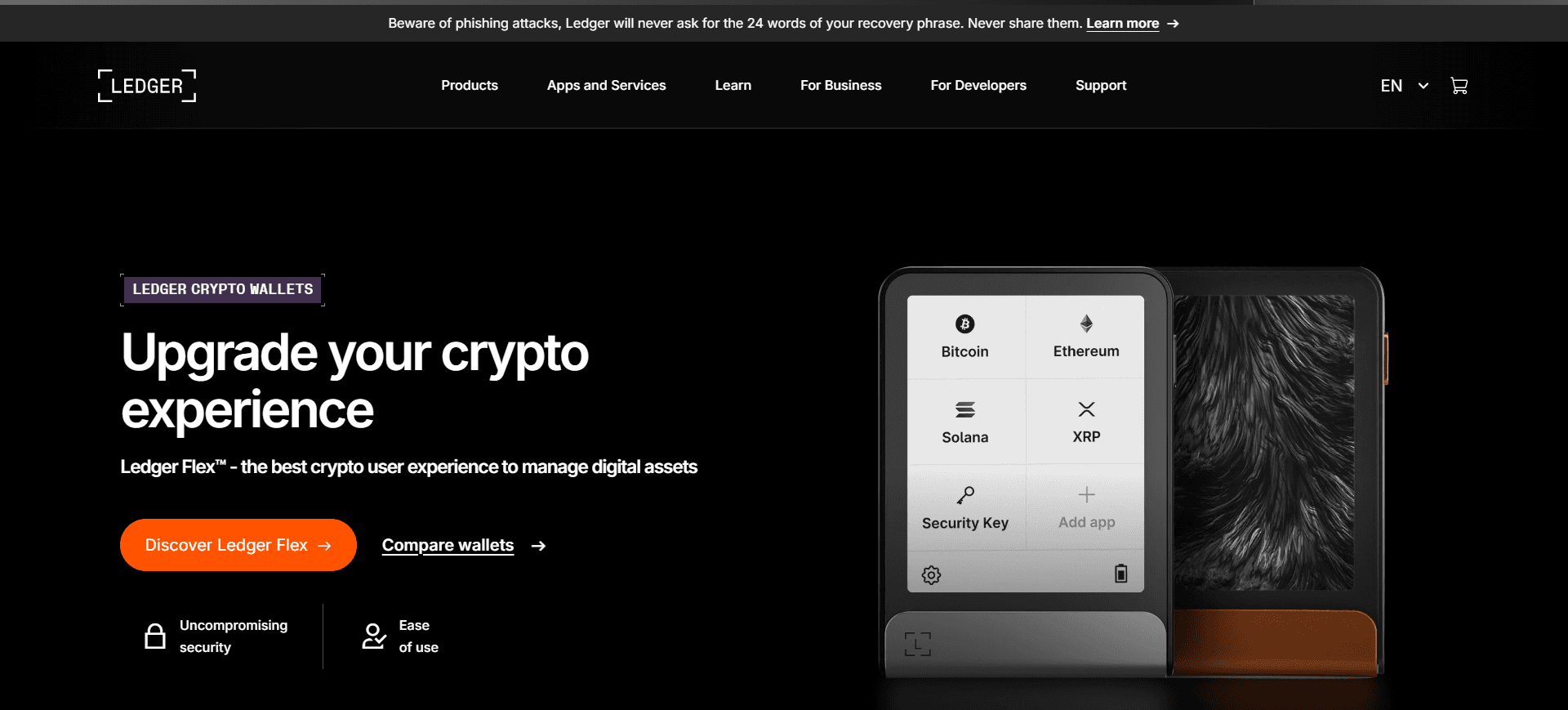
Ledger.com/start: The Complete Step-by-Step Guide to Setting Up Your Ledger Wallet
Cryptocurrency gives you full control over your assets, but that control comes with responsibility. Unlike traditional banking systems, there’s no intermediary to recover lost funds. If your wallet is compromised, lost, or mismanaged, your cryptocurrency could be gone forever.
Ledger.com/start is the official starting point for safely setting up a Ledger hardware wallet. It provides verified software, clear instructions, and essential security guidance, helping you secure your digital assets from day one.
This guide will take you through everything: unboxing your Ledger device, installing Ledger Live, securing your recovery phrase, managing accounts, sending and receiving crypto, and long-term safety practices.
What is Ledger.com/start?
Ledger.com/start is the official onboarding portal for Ledger hardware wallets. It’s designed for both new users and returning users who want to restore an existing wallet.
The main purposes of Ledger.com/start:
Download the official Ledger Live application
Authenticate your Ledger device to ensure it is genuine
Install or update firmware
Create a new wallet or restore an existing one
Learn how to store and protect your recovery phrase safely
By using Ledger.com/start, you avoid scams, counterfeit software, and setup mistakes that could compromise your crypto.
Why Ledger.com/start is Important
Many crypto users lose funds during the setup process rather than through daily usage. Common risks include:
Fake websites or phishing scams pretending to be Ledger
Malware that targets private keys or alters transaction addresses
Users accidentally exposing their recovery phrases
Ledger.com/start addresses these risks by:
Providing official downloads only
Guiding users through device authentication
Offering step-by-step setup instructions
Teaching safe transaction verification
Starting at Ledger.com/start ensures your wallet is built on a secure foundation.
Understanding Ledger Hardware Wallets
A Ledger hardware wallet is a small, secure device that stores private keys offline. Private keys are necessary to authorize blockchain transactions. By keeping keys offline, Ledger devices protect your funds from online attacks and malware.
Key features:
Offline storage of private keys
PIN-protected access
Physical verification of every transaction
Recovery phrase backup
Support for multiple cryptocurrencies
Ledger.com/start ensures these features are properly configured to give you maximum security.
Who Should Use Ledger.com/start?
Ledger.com/start is ideal for:
First-time hardware wallet owners
Crypto investors moving funds off exchanges
Long-term holders of significant cryptocurrency
NFT collectors and DeFi users
Anyone who prioritizes self-custody and security
If you want complete control over your assets, Ledger.com/start is the correct place to begin.
Preparing for Setup
Before starting, ensure you have:
A new or factory-reset Ledger device
A secure computer
Stable internet connection
Pen and paper for your recovery phrase
Avoid using public computers, shared devices, or unsecured Wi-Fi networks.
Step 1: Visit Ledger.com/start
Type Ledger.com/start manually into your browser.
Tip: Verify the URL carefully to avoid phishing websites. Bookmark it for future reference.
Step 2: Download and Install Ledger Live
Ledger.com/start guides you to download Ledger Live, the official application for managing your Ledger wallet.
Ledger Live allows you to:
Initialize and manage your Ledger device
Send and receive cryptocurrencies securely
Track balances and transactions
Add multiple accounts
Update firmware safely
Always download Ledger Live directly from the official Ledger website.
Step 3: Connect Your Ledger Device
Once Ledger Live is installed:
Connect your Ledger device via USB
Open Ledger Live
Wait for the software to detect your device
Ledger Live automatically verifies the device’s authenticity.
Step 4: Install or Update Firmware
New or reset devices require firmware installation.
Important:
Approve firmware installation only on the device
Download firmware exclusively through Ledger Live
Avoid third-party sources
Firmware updates improve device security and functionality.
Step 5: Create or Restore a Wallet
Ledger Live offers two options:
Create a New Wallet
Ideal for first-time users
Generates a new recovery phrase
Guides you to set up a PIN
Restore Wallet
For users with an existing recovery phrase
Restores previous accounts and balances
Requires entering the recovery phrase on the device
Step 6: Set a PIN Code
Your PIN protects the device from unauthorized access.
Entered directly on the device
Required whenever it connects
Device wipes after multiple incorrect attempts
Choose a PIN that is memorable but difficult for others to guess.
Step 7: Record Your Recovery Phrase
The recovery phrase is the master key to your wallet.
Usually consists of 24 words
Generated offline on the device
Displayed only once
Recovery Phrase Safety Tips:
Write it down on paper
Store it in multiple secure locations
Never save it digitally or take photos
Never share it
Anyone with access to your recovery phrase can access your funds.
Why the Recovery Phrase Matters
The recovery phrase allows you to:
Restore your wallet on a new device
Recover funds if your device is lost or damaged
Maintain complete control over your assets
Losing it may result in permanent loss.
Optional: Add a Passphrase
Advanced users can enable a passphrase, creating a hidden wallet.
Benefits:
Extra security if your recovery phrase is compromised
Ability to create multiple wallets
Enhanced privacy
⚠️ Forgetting your passphrase permanently locks access to that wallet.
Adding Cryptocurrency Accounts
Ledger Live supports multiple cryptocurrencies, including:
Bitcoin
Ethereum
Litecoin
Hundreds of other tokens
Multiple accounts allow you to:
Organize assets efficiently
Separate spending and savings
Track balances clearly
Sending Cryptocurrency
Steps for sending crypto safely:
Open Ledger Live and select the account
Enter recipient address and amount
Review transaction details carefully
Confirm the transaction on your Ledger device
Always verify addresses directly on the device to prevent malware attacks.
Receiving Cryptocurrency
To receive crypto:
Open Ledger Live and select the account
Generate a receiving address
Confirm it on your Ledger device
Share the verified address
This prevents malware from altering addresses.
Ledger Security Layers
Ledger devices provide multiple security layers:
Offline private key storage
PIN protection
Recovery phrase backup
Physical confirmation of transactions
Optional passphrase
Open-source software transparency
These layers provide strong protection against hacks and theft.
Common Setup Issues
Device Not Detected:
Try a different USB cable
Restart Ledger Live
Use another USB port
Forgotten PIN:
Reset the device
Restore wallet using recovery phrase
Firmware Problems:
Restart the device and software
Ensure official Ledger Live is used
Long-Term Security Practices
Store recovery phrases securely in multiple locations
Never enter recovery phrases online
Avoid phishing attempts or unsolicited messages
Keep Ledger Live and firmware updated
Verify all transactions on the device
Security is an ongoing responsibility.
If Your Ledger Device Is Lost or Stolen
Funds remain safe if:
PIN is secure
Recovery phrase is protected
To regain access:
Purchase a new Ledger device
Visit Ledger.com/start
Restore your wallet using the recovery phrase
All accounts and balances will be restored.
Who Benefits Most from Ledger.com/start
First-time hardware wallet users
Long-term crypto holders
High-value investors
Privacy-conscious individuals
Anyone moving funds off centralized exchanges
Ledger.com/start ensures secure self-custody from the very beginning.
Final Thoughts
Ledger.com/start is the safest starting point for using a Ledger hardware wallet. It ensures your device is genuine, your wallet is secure, and your private keys remain under your control.
With careful setup, proper recovery phrase storage, and disciplined security practices, Ledger allows users to safely manage their cryptocurrency assets.